


Intermodal EXPO 2026: From Freight Visibility to Intelligent Execution
Freight rarely moves through a single system, company, or mode. A shipment can move through ports, rail networks, drayage providers, motor carriers, terminals, warehouses, and customer systems before reaching its destination. The challenge is no longer simply tracking that movement. It is making the entire journey easier to coordinate, predict, and manage.
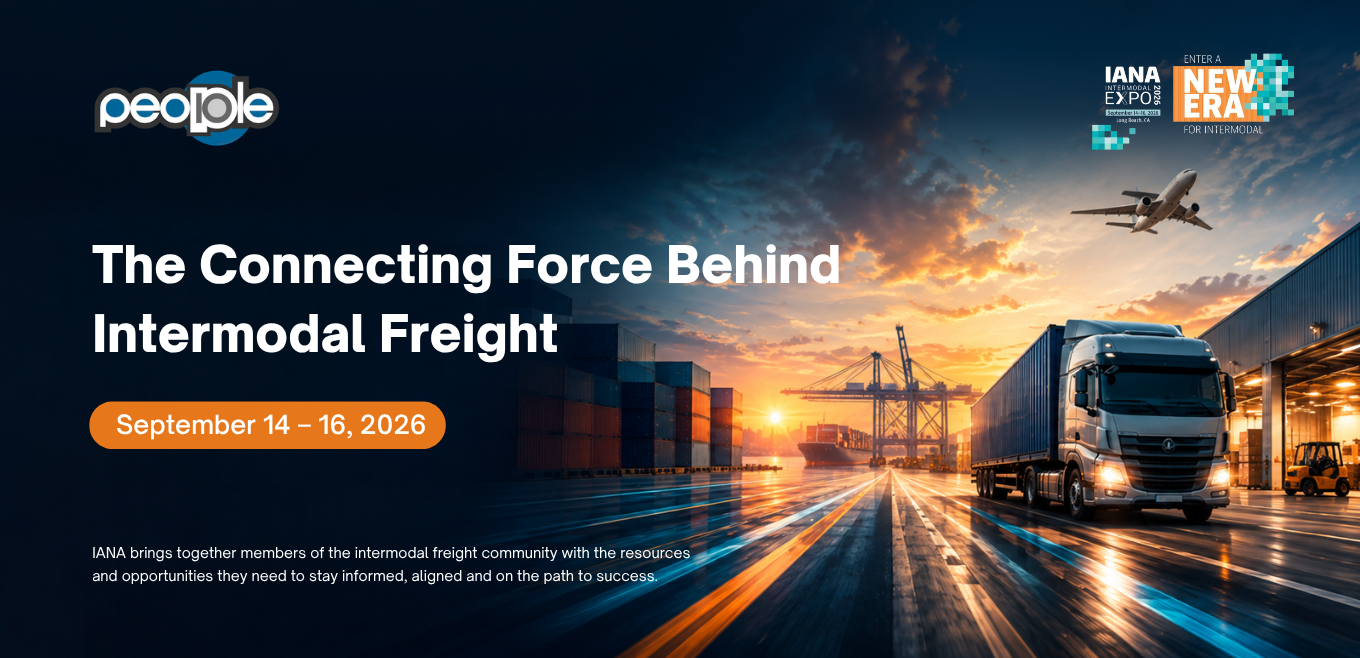
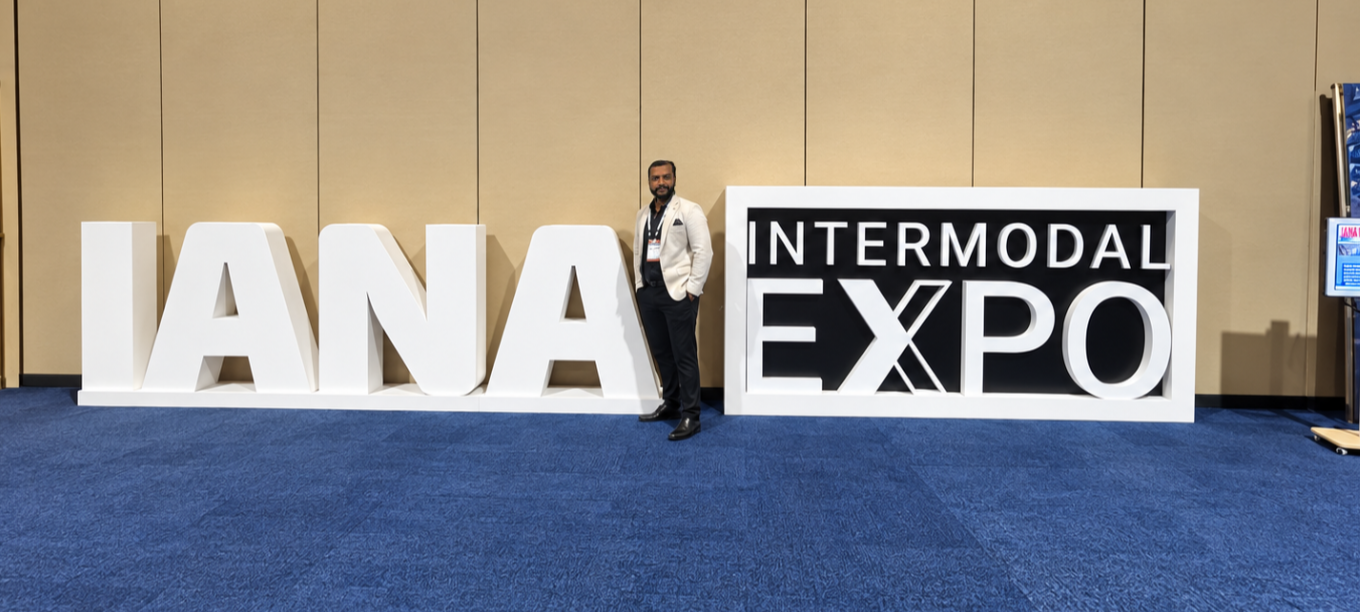
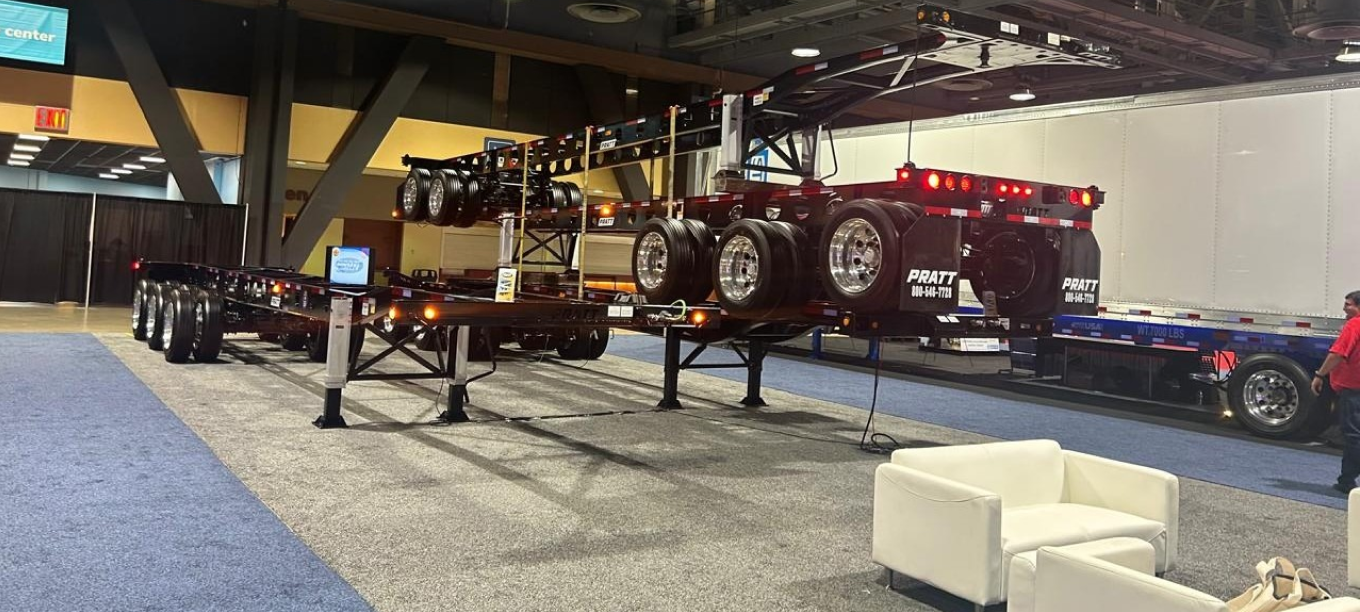
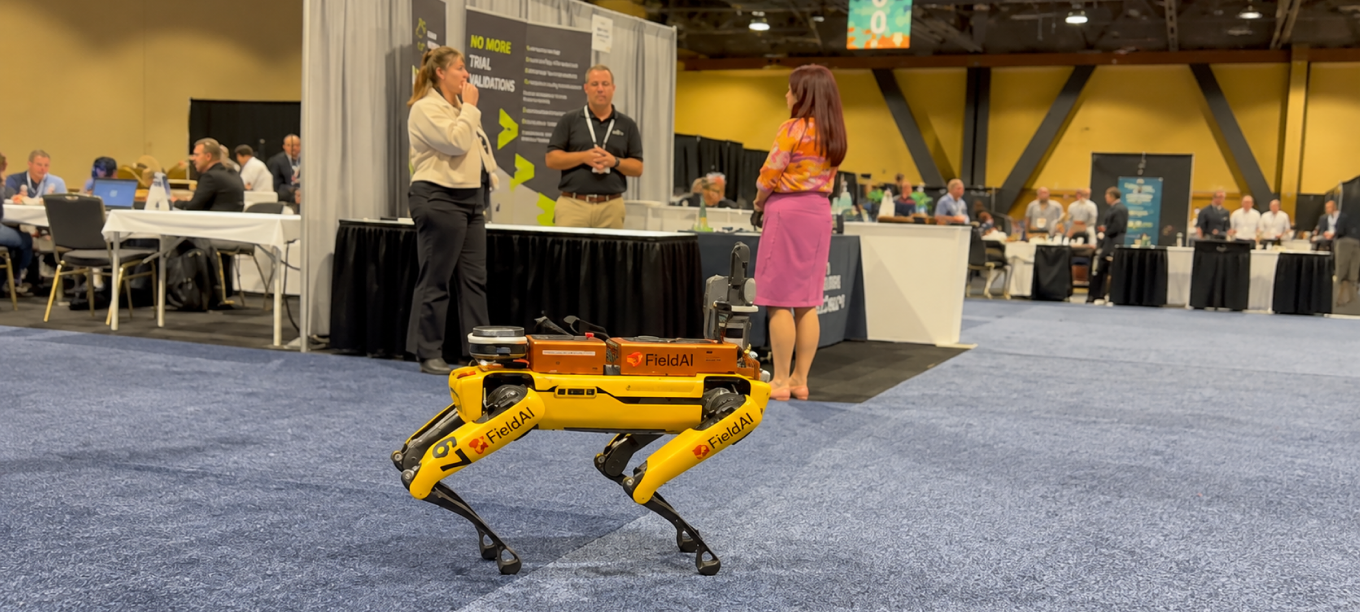
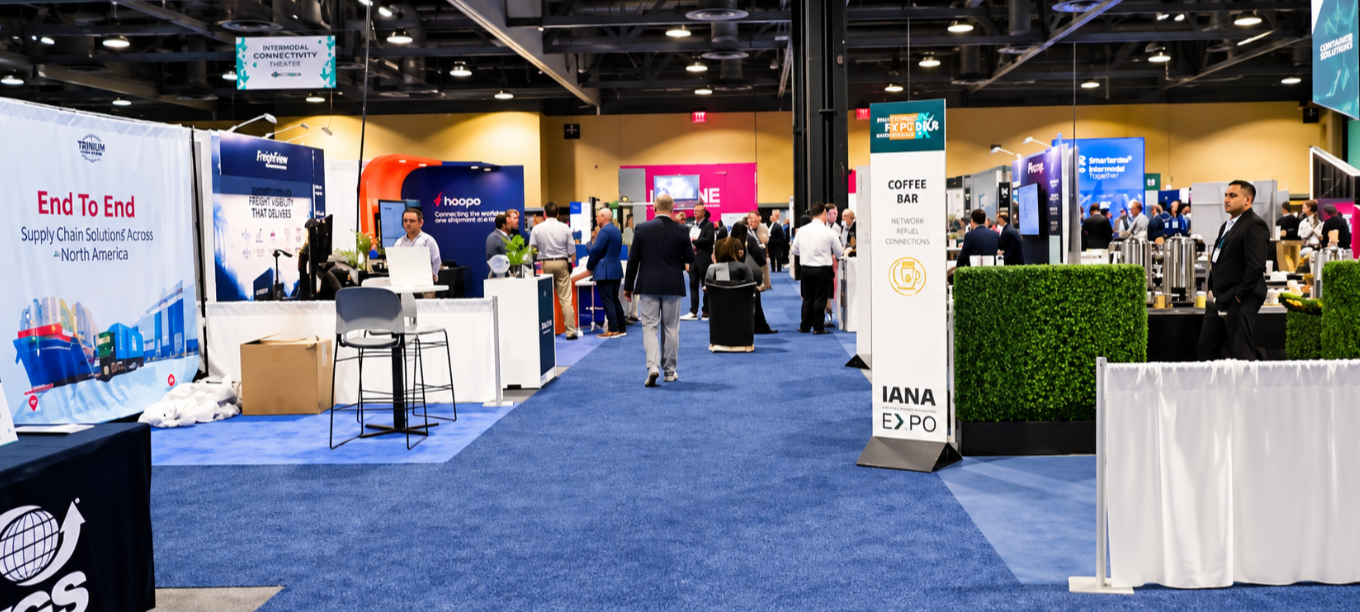
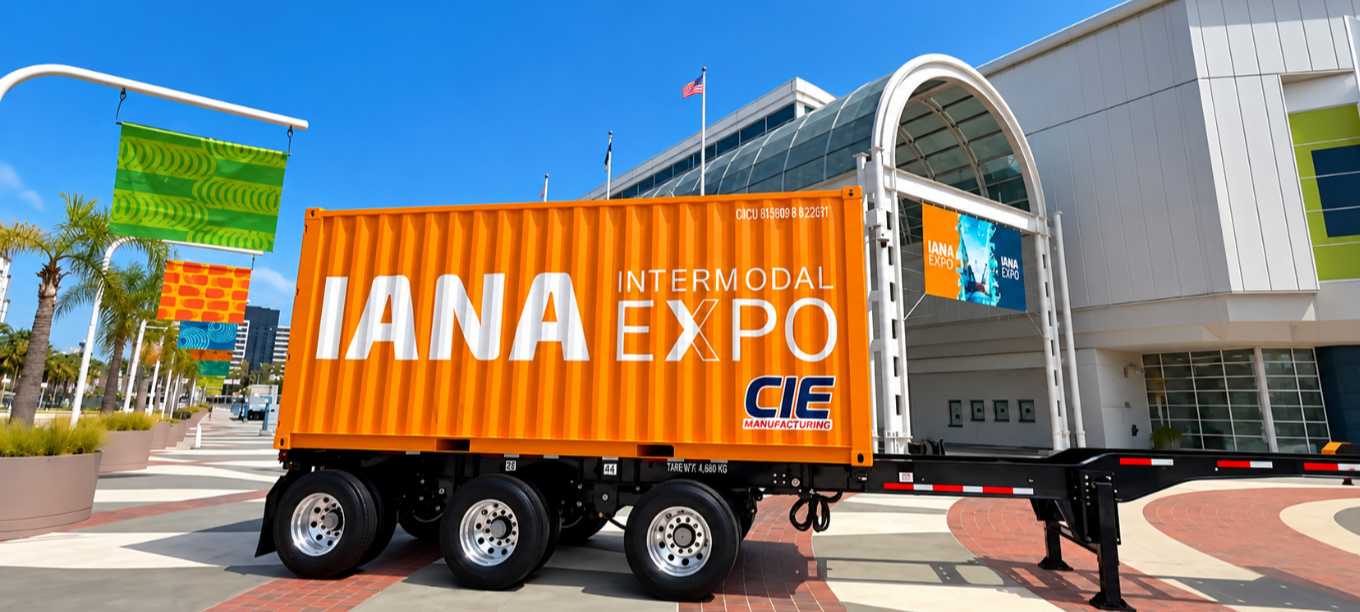
That challenge was front and center at IANA Intermodal EXPO 2026, held September 14–16 in Long Beach, California. The event brought together participants from across rail, trucking, drayage, ports, ocean carriers, 3PLs, shippers, technology providers, and the broader freight ecosystem. People10 was represented at the event, engaging with the industry and exploring where technology is creating practical value across intermodal operations.
One theme stood out across the event program: freight technology is moving beyond isolated digital tools toward connected execution.
Visibility Is Becoming an Execution Capability
Supply chain visibility has been discussed for years, but the conversation at Intermodal EXPO went further than locating a shipment on a map.
One of the event’s Applied Technologies sessions focused specifically on fragmented visibility, exploring predictive visibility, exception management, automated planning, equipment velocity, multi-leg coordination, and smarter mode selection. The emphasis was on using information to improve execution rather than simply creating more tracking data.
For transportation and logistics organizations, this distinction matters.
Real-time data becomes significantly more valuable when it can help teams identify a disruption earlier, coordinate across partners, automate the next action, or make a better operational decision.
The opportunity is therefore shifting from: “Where is my freight?” to: “What is happening, what is likely to happen next, and what should we do about it?”
That requires visibility platforms to work closely with operational systems, data pipelines, analytics, automation, and enterprise applications.
AI Is Moving Into Real Freight Operations
AI was another prominent theme at Intermodal EXPO 2026. IANA’s Applied Technologies program described AI as moving from a question of awareness toward a question of execution and organizational readiness.
The program explored GenAI, Agentic AI, Applied AI, and Analytical AI while focusing on where AI is already generating practical value and how organizations can move from experimentation toward an actionable AI strategy.
For intermodal logistics, this opens opportunities across areas such as:
- predictive exception management
- intelligent workflow automation
- operational forecasting
- asset and equipment insights
- smarter planning and routing
- decision support across complex freight movements
However, adding an AI model on top of fragmented systems will not automatically create an intelligent operation.
AI depends on accessible, trustworthy data and the ability to connect insights back into operational workflows. This makes data engineering, API integration, cloud platforms, and application modernization important parts of any practical AI strategy.
The Technology Foundation Matters as Much as the Innovation
Another important theme in the EXPO program was strengthening core operational systems.
As logistics networks become increasingly connected, legacy processes and disconnected applications can make it difficult to scale new capabilities. IANA’s technology sessions highlighted the need to upgrade operational foundations, integrate smarter technologies, address system weak points, and prepare platforms for increasing data and network complexity.
This is particularly relevant as freight organizations introduce more AI, automation, IoT, telematics, analytics, and customer-facing digital experiences.
The goal does not have to be replacing every existing platform.
A more practical approach is often to connect critical systems, modernize high-value workflows, improve data availability, and gradually introduce intelligence where it can have the greatest operational impact.
From Connected Systems to Connected Decisions
For People10, the conversations around Intermodal EXPO closely align with how we approach technology transformation in transportation and logistics.
Our work across AI, data engineering, cloud engineering, intelligent automation, IoT, system integration, and product engineering is focused on helping organizations connect the different layers required for modern digital operations.
In an intermodal environment, these capabilities can help organizations:
Connect operations by integrating platforms, applications, partners, and data sources.
Unify information so operational teams can work with more consistent and timely data.
Modernize digital platforms to support growing transaction volumes, integrations, and emerging technologies.
Apply intelligence through AI, analytics, and automation where they can improve operational decision-making.
People10’s broader transportation technology work also includes AI-driven fleet management, predictive analytics, real-time monitoring, route optimization, and integration with telematics and enterprise systems.
What Comes Next for Intermodal Technology?
Intermodal EXPO 2026 reinforced an important shift in freight technology: digital transformation is becoming less about adding individual tools and more about making the logistics ecosystem work together.
AI can make decisions smarter. Data can make operations more visible. Automation can make workflows faster. Cloud platforms can provide scale.
But the real value emerges when these capabilities connect.
For transportation and logistics organizations, the next stage of modernization will be about turning fragmented data, applications, assets, and workflows into an operational environment where information can move as effectively as the freight itself.
That is where connected technology can move from supporting logistics operations to actively improving them.
Build the Next Generation of Logistics Technology with People10
People10 works with transportation and logistics organizations to build and modernize digital platforms using AI, data, cloud, automation, IoT, integrations, and product engineering.
Whether the priority is improving visibility, integrating fragmented systems, modernizing an existing logistics platform, or bringing AI into operational workflows, the focus remains the same: turn technology into practical operational value