


FTE Global 2026 Insights: AI, Intelligent Airports & the Future of Aviation
September 8–10, 2026 · Dallas–Fort Worth, Texas · People10 Digital Transformation
From AI experimentation to connected, intelligent aviation ecosystems
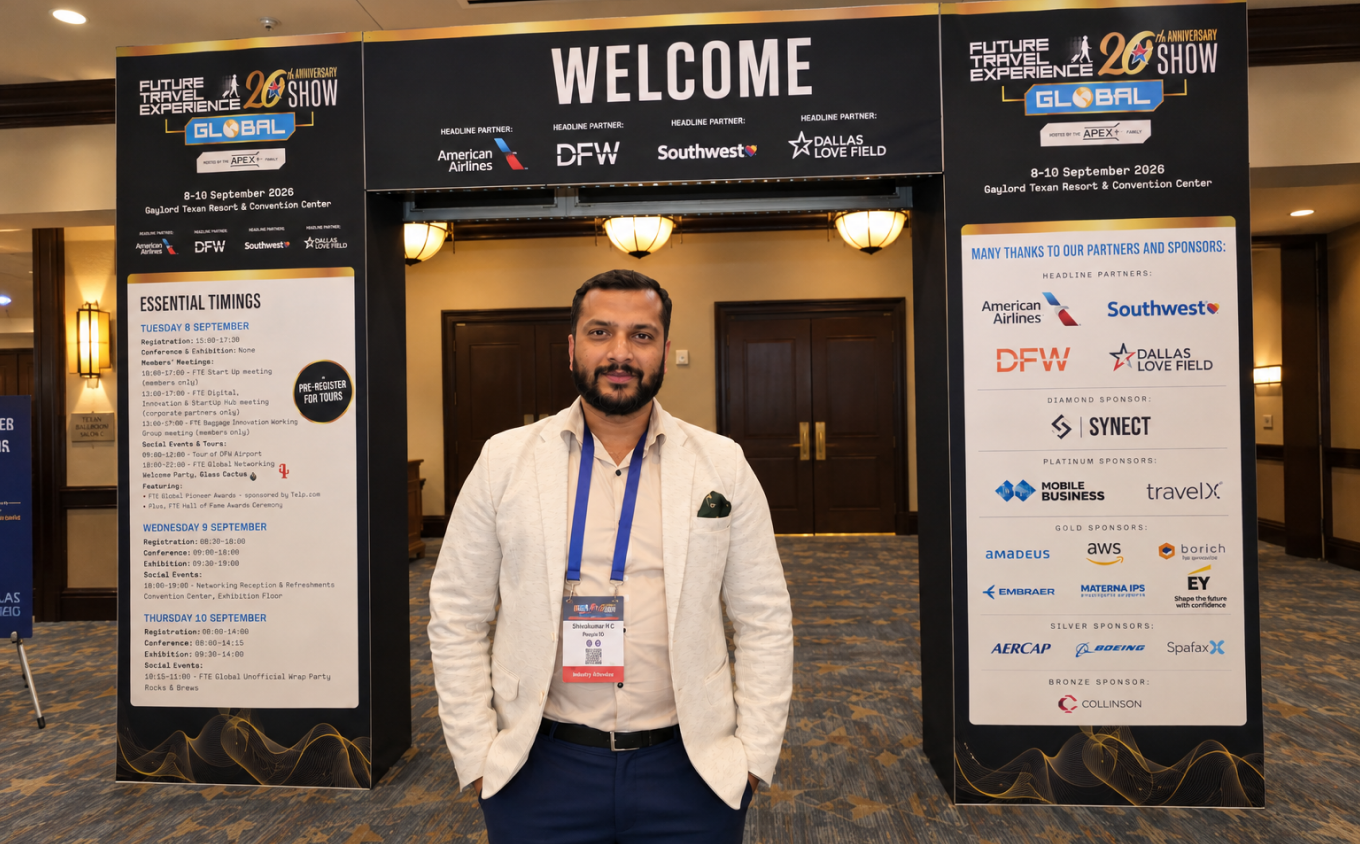
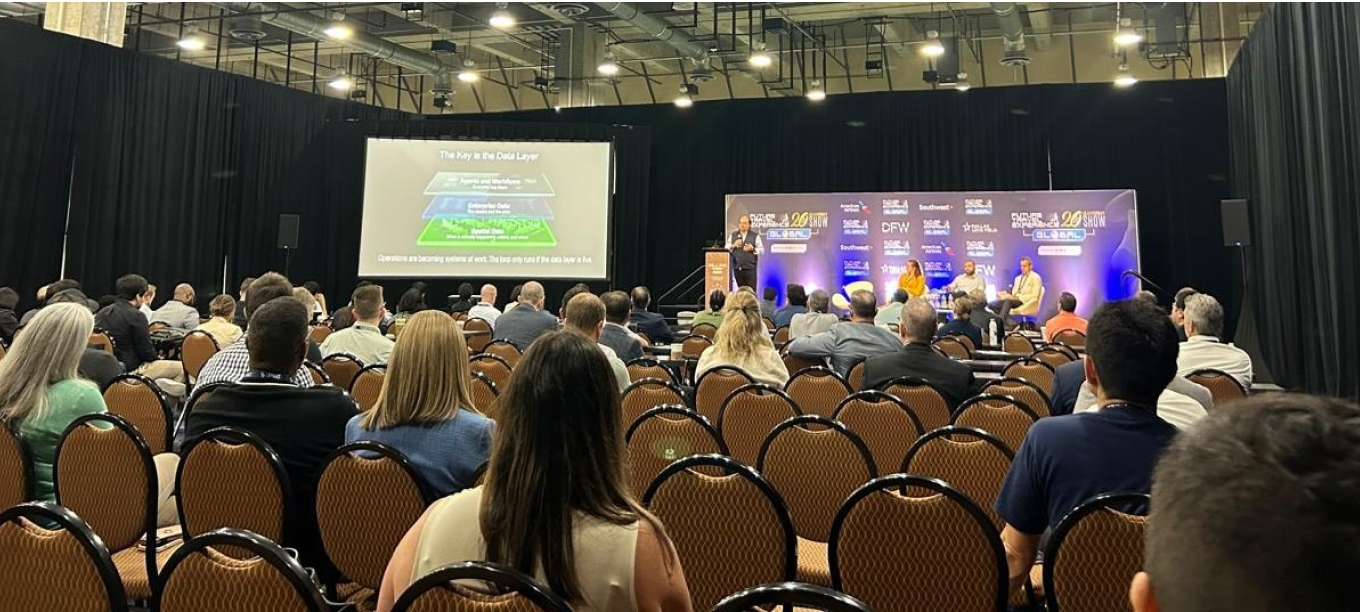
FTE Global 2026 brought the global aviation community together in Dallas–Fort Worth to explore how technology is changing the way airlines and airports operate and how passengers experience air travel.
Celebrating its 20th anniversary under the theme “Transforming Travel Together,” the event brought together airlines, airports, government agencies, technology providers, startups and other aviation stakeholders across three major conference tracks: Digital & Innovation, Future Airports, and Future Trends & Customer Journeys.
People10 was part of this aviation technology ecosystem, engaging in conversations around a question that continues to become more important for the industry: How can emerging technologies move beyond experimentation and create practical, scalable value across airline and airport operations?
Key Insights from FTE Global 2026
Several themes consistently stood out across the event:
- Moving AI and Agentic AI from pilots into real operational workflows
- Building more connected and seamless passenger journeys through digital identity and biometrics
- Using robotics, automation and intelligent systems to transform airport operations
- Modernizing baggage and ramp processes through smarter, connected technologies
- Connecting data, platforms and operational systems to make innovation scalable
- Turning emerging aviation technology into measurable operational and passenger outcomes
From AI Pilots to Operational Impact
AI was not simply a future-looking topic at FTE Global 2026. The conversation increasingly focused on how aviation organizations can operationalize it.
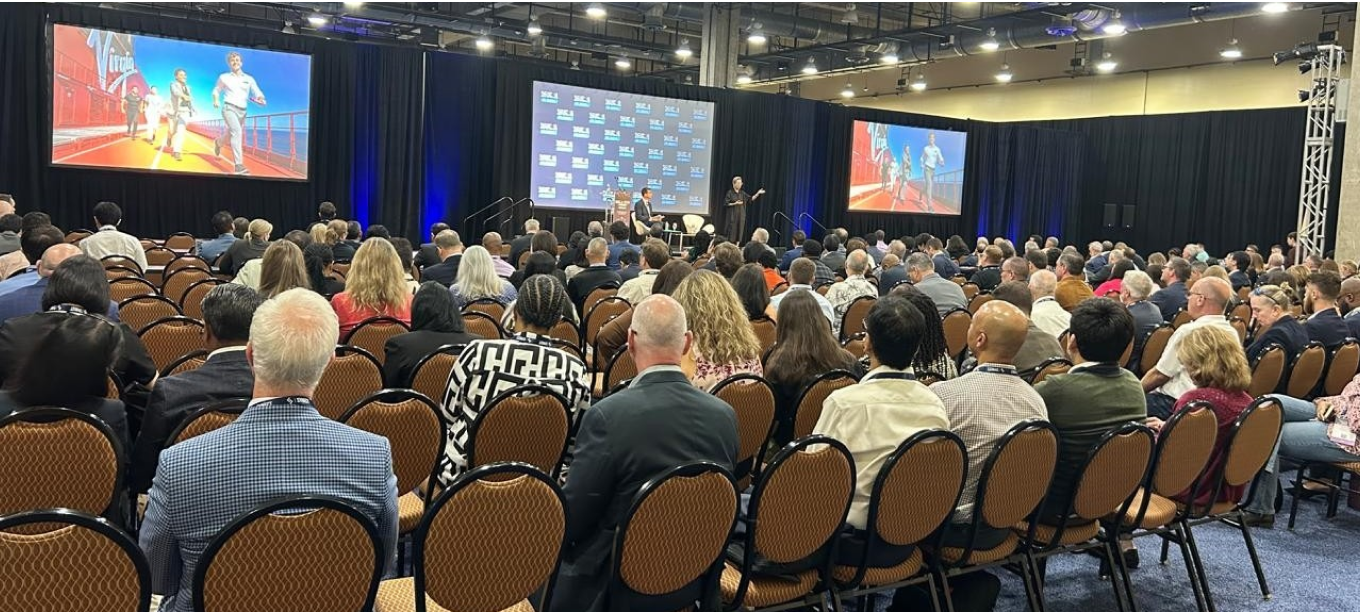
The Digital & Innovation programme included a dedicated FTE AI Symposium exploring Agentic AI and how increasingly autonomous AI systems could support independent problem-solving and redefine automation across the aviation ecosystem.
For airlines and airports, this creates possibilities across operational decision-making, passenger support, disruption management, maintenance, workforce optimization and other complex workflows. But scaling AI requires more than deploying another intelligent tool.
People10 Perspective
The real opportunity is to connect AI with the systems, data and operational processes that already run the aviation enterprise.
Moving from an isolated AI pilot to operational impact requires trusted data, integration with existing platforms, scalable cloud and application architectures, appropriate governance, and workflows designed around how people and intelligent systems work together.
The next phase of AI in aviation will therefore be less about experimentation and more about building the technology foundation that allows intelligence to operate reliably at enterprise scale.
Can the Passenger Journey Become Truly Frictionless?
Passenger experience was another major focus at FTE Global.
The Future Trends & Customer Journeys programme examined the entire journey, from booking and airport processing to inflight experiences and immigration, and how technology can make those transitions more seamless.
Digital identity, biometrics and connected platforms are becoming important parts of that transformation. The programme also highlighted technology-enabled, touchless passenger processing, including the use of facial biometrics and mobile applications in the arrivals experience.
The opportunity goes beyond removing individual touchpoints.
A truly seamless passenger journey depends on systems being able to exchange information securely across airlines, airports and other stakeholders. That makes integration, interoperability and real-time data exchange just as important as the passenger-facing technology itself.
Why It Matters
Passengers experience one journey, even though that journey may involve multiple independent systems and organizations.
Creating a genuinely connected travel experience therefore requires aviation companies to move away from isolated digital solutions and toward platforms that can connect identity, operational data and customer interactions across the journey.
What Will Power the Intelligent Airport?
FTE Global 2026 also offered a strong view of how airport operations are evolving.
The Future Airports programme covered areas including automation, digital transformation, biometrics, identity, baggage, ramp operations, workforce, security and airport design, while the Digital & Innovation track explored robotics, digital twins and new approaches to intelligent operations.
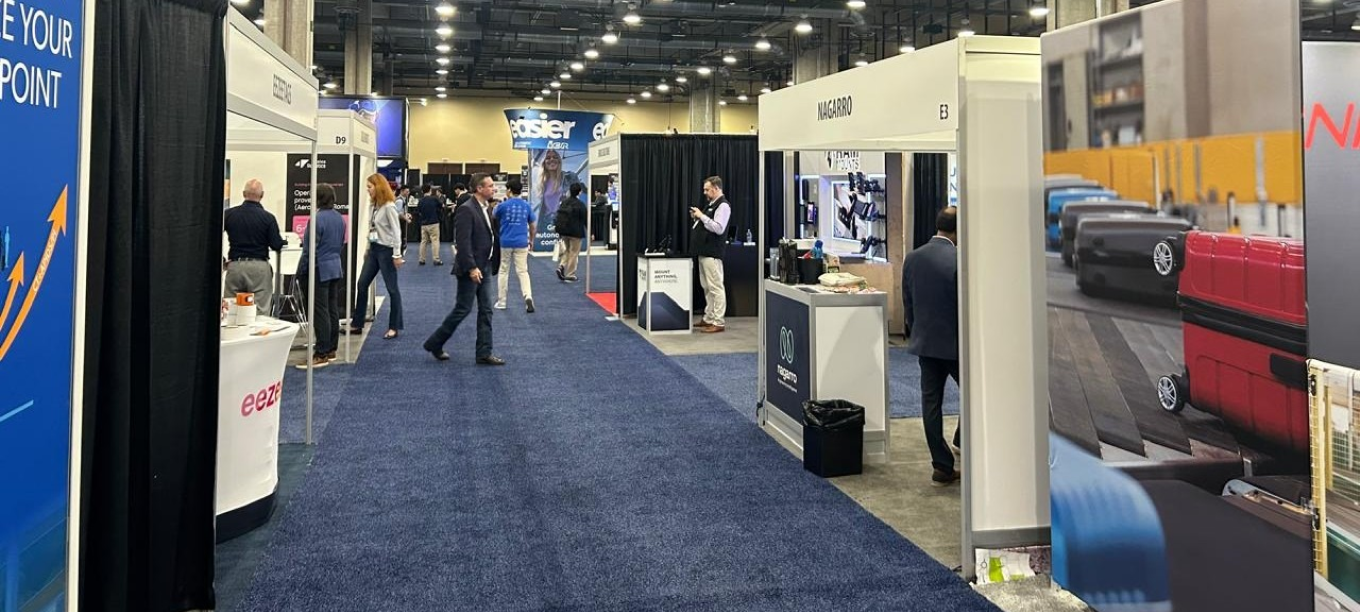
Robotics and autonomous technologies also featured prominently on the exhibition floor, alongside dedicated briefings focused on AI, self-service, baggage automation, robotics and autonomous vehicles.
Together, these technologies point toward an airport environment that is becoming more connected and increasingly capable of sensing, predicting and responding to operational conditions in real time.
Digital twins can provide a continuously updated operational view. AI can identify patterns and emerging risks. Robotics and automation can support repetitive or time-sensitive activities. Connected baggage platforms can improve visibility across one of aviation’s most complex operational journeys.
The value becomes greater when these capabilities work together rather than as isolated technologies.
Building the Connected Aviation Ecosystem
One of the broader takeaways from FTE Global 2026 is that aviation transformation is becoming an ecosystem challenge.
Airlines and airports already operate complex combinations of operational platforms, legacy applications, cloud environments, passenger systems and third-party technologies. Adding AI, robotics or another digital platform without connecting that technology to the wider ecosystem can simply create another silo.
The industry’s next technology challenge is therefore not only adoption, it is orchestration.
Organizations need modern architectures that allow applications, data and intelligent systems to work together securely and at scale. That foundation is what enables faster decision-making, more resilient operations and more connected passenger experiences.
Moving Forward
FTE Global 2026 reinforced a significant shift in aviation technology: innovation is moving from individual digital initiatives toward connected intelligence across the entire travel ecosystem.
AI and Agentic AI are advancing operational intelligence. Biometrics and digital identity are reducing friction across passenger journeys. Robotics and automation are changing physical operations. Digital twins and connected platforms are creating richer operational visibility.
The organizations positioned to gain the most from these technologies will be those that can bring them together within a scalable digital foundation and translate innovation into measurable operational and customer outcomes.
Work with People10
People10 helps aviation organizations turn emerging technologies into practical digital solutions through AI-powered engineering, data and analytics, cloud modernization, application and product engineering, system integration, automation and modern digital platforms.
As airlines and airports build more intelligent and connected technology ecosystems, our focus is on helping organizations move from experimentation to scalable execution — modernizing existing environments, connecting fragmented systems and building digital experiences designed for the future of aviation.